
Last updated .
Keeping wildlife out of your home starts with two things: removing easy access to food and securing places animals could use for shelter. Before closing a suspected entry point, make sure no animals or dependent young are inside. Sealing an occupied opening can turn an outdoor problem into an animal trapped in your attic, wall or crawl space.
For Corona homeowners, wildlife intrusion prevention means making a house difficult to enter while sharing the surrounding area with local wildlife. A squirrel crossing a fence or an occasional raccoon passing through is different from repeated activity beneath a deck. Here is how to tell the difference and make a practical prevention plan.
What attracts nuisance wildlife to your home?
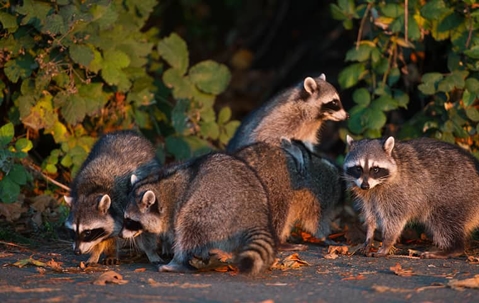
Food and a sheltered resting place can make a property worth returning to. UC Integrated Pest Management explains that raccoons use accessible attics, chimneys and spaces beneath houses as den sites. Outdoor pet food, garbage, fruit and bird feeders can supply meals nearby.
Start with the resources you can control:
- Keep garbage lids secure and clean up food spilled around bins.
- Bring outdoor pet food in after feeding and store the supply in a sturdy, closed container.
- Pick up fallen fruit and spilled birdseed regularly.
- Keep storage areas orderly so you can see new openings or disturbed materials.
- Avoid deliberately feeding wild animals, even if they appear friendly.
These changes support exclusion work. Removing one animal while leaving the same food and shelter available may leave the property attractive to another.
Where should you look for wildlife entry points?
Walk around your house in daylight and look from ground level. Do not climb onto the roof or enter a confined area to investigate an animal. Photograph a suspicious opening from a safe position so you can explain its location.
Squirrels, raccoons and attic entry points
Look for displaced vent screens, gaps under eaves, loose roofline materials and branches that reach the roof. UC IPM’s tree squirrel guidance notes that squirrels can enter attics through gaps or damaged vent screens and enlarge openings by gnawing. Arrange appropriate repairs and vegetation maintenance rather than relying on a repellent to protect an accessible opening.
How can you keep animals from going under your house?
Check crawl-space access doors, damaged screens and open edges beneath decks, sheds and other raised structures. Ask about durable, species-appropriate screening rather than covering an opening with a temporary material that an animal can readily move or damage. Skunks may den beneath decks or buildings. UC IPM recommends reducing food and shelter and excluding skunks from these spaces, with care to avoid trapping animals or young inside.
Chimneys and exterior openings
Have a qualified professional assess an uncapped chimney or damaged cover. A suitable cap must preserve the chimney’s function and meet applicable requirements. Never light a fire to drive out an animal, and do not block ventilation, exhaust outlets or required drainage openings during repairs.
What are the signs that an animal is already inside?
Repeated scratching or movement sounds, a newly damaged opening, droppings, disturbed insulation or an unexplained odor warrant investigation. These clues do not reliably identify the species by themselves. A sound in the ceiling could have more than one cause, and one old dropping does not establish how long an animal has been present.
Record what you notice, where it occurs and the time of day. Photos of damage can help, but do not handle droppings or approach an animal for a clearer image. Keep children and pets away from the area. If the evidence points toward rats or mice, Allied’s rodent control information explains that separate service.
Why should you identify the animal before sealing a hole?
Exclusion means keeping animals from entering a structure. It works best when the repair addresses the actual entry route and accounts for any animals already present. Closing the most obvious hole immediately is not always the right first step.
Before work begins, ask whoever is handling the problem:
- What evidence identifies the species and active entry point?
- Could there be young that cannot leave on their own?
- How will the structure be checked before openings are permanently closed?
- Which repairs are included, and who handles any separate building work?
- How will we check whether activity has stopped?
Bats need particular care. UC IPM’s bat guidance warns against excluding adults while flightless young remain inside. Timing depends on the colony and local conditions. An appropriate professional should assess the situation before exclusion begins.
What should you do if you find a bat indoors?
Keep your distance and do not handle the bat. According to the CDC’s bat guidance, contact animal control or your health department about safe capture and possible testing. Do not release a bat found indoors before speaking with a public-health expert. If you may have had contact with it, seek prompt medical guidance. Contact your veterinarian about possible pet exposure.
This is a public-health question as well as a building-maintenance issue. A pest-control appointment does not replace that assessment.
Will a fence or repellent keep wild animals away?
A fence around the yard does not automatically protect the house. Squirrels can travel along fence tops, branches and overhead lines. Keep the focus on the building openings they could reach. For suitable repairs, UC IPM identifies sheet metal and wire mesh hardware cloth as exclusion materials; the material and installation should fit the species and preserve required ventilation.
Be cautious about products advertised to repel every type of animal. UC IPM reports questionable effectiveness for squirrel repellents, and animals can become accustomed to frightening devices. A deterrent does not replace repairing an entry point or removing a food source. Avoid applying a scent or chemical to an occupied attic without qualified guidance.
When is a professional wildlife service worthwhile?
Get help when an animal has entered the building, access involves roof work, the species is uncertain, young may be present, or activity returns after repairs. Ask about the provider’s experience with the identified species, the proposed approach, cleanup responsibilities and follow-up.
Do not assume trapping and releasing an animal elsewhere is an available option. The California Department of Fish and Wildlife advises that wildlife cannot simply be trapped and released elsewhere. Species-specific rules can affect the response. Injured or orphaned wildlife may require animal services or a permitted wildlife rehabilitator.
For an issue at your Corona property, review Allied’s wildlife control services and ask whether the animal and work involved fall within its service scope.
Wildlife prevention questions homeowners ask
Does seeing wildlife during the day mean something is wrong?
Not necessarily. CDFW notes that daytime activity can be normal. Focus on the animal’s behavior and location, keep a safe distance and seek appropriate help if it appears injured or distressed.
How often should I check the outside of my home?
Build a visual check into ordinary home maintenance, and check again after roof work or damage that could have opened a gap. Investigate fresh evidence rather than waiting for a particular season.
Make a plan to protect your home in Corona
Start with accessible food sources and a careful exterior look. If you suspect an occupied space, leave the opening alone until it can be assessed. Contact Allied Pest Control with the location, timing and signs you have noticed so you can discuss the appropriate next step.